Abstract:
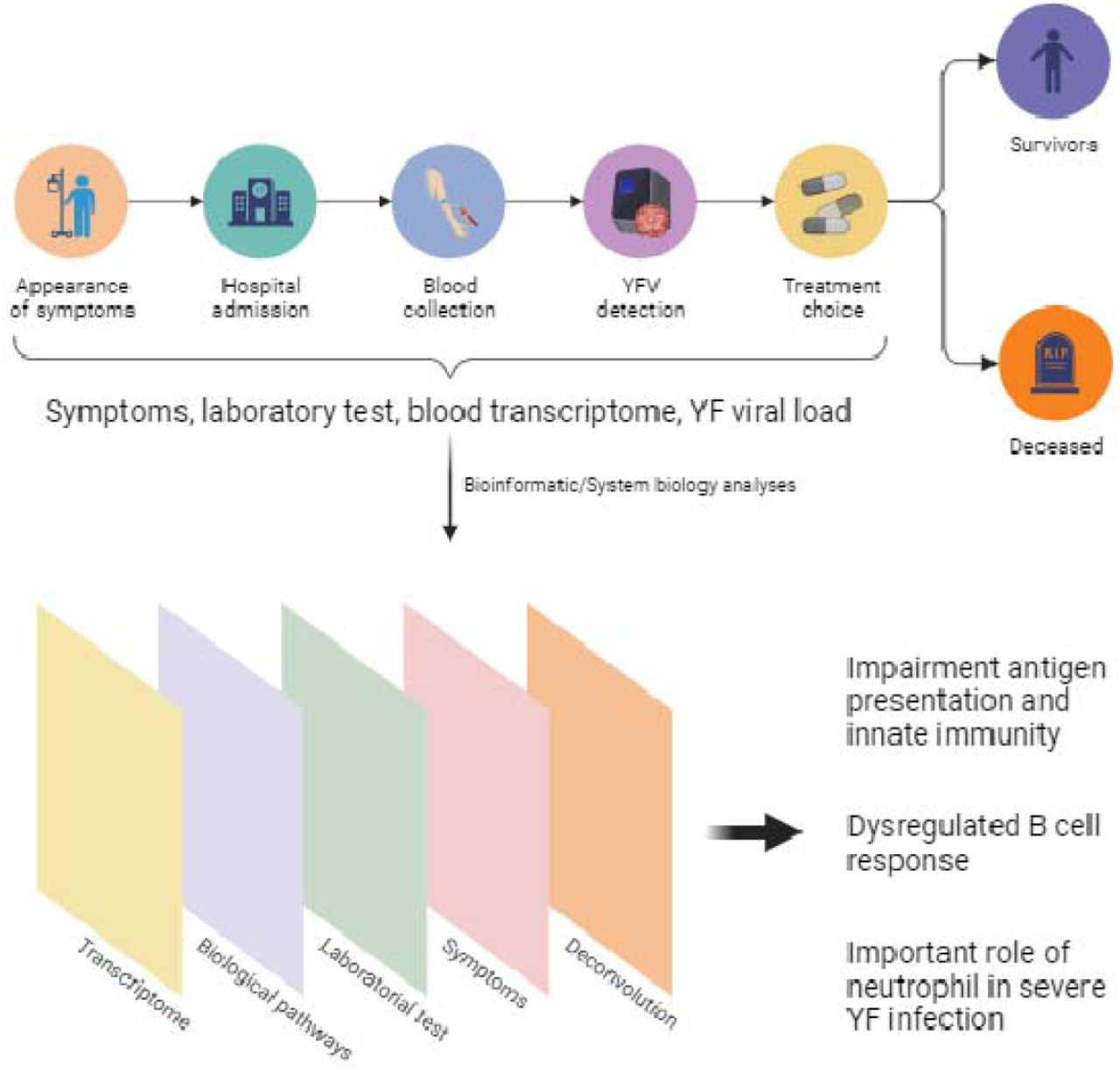
In the 2018 yellow fever (YF) outbreak in Brazil, we generated new transcriptomic data and combined it with clinical and immunological data to decode the pathogenesis of YF. Our analysis of 79 patients highlighted distinct gene expression patterns between acute YF infections, other viral infections, and the milder infection induced by the live-attenuated YF-17D vaccine. We identified a critical role for low-density, immature neutrophils in severe outcomes, marked by the downregulation of genes such as PADI4, CSF3R, and ICAM1 in deceased patients. These genes are essential for neutrophil migration and maturation, suggesting their pivotal role in disease progression. Furthermore, our study revealed a complex interaction among inflammation-related genes: increased expression of CXCL10 in the acute phase was accompanied by decreased expression of IL-1b and an increase in IL1R2, a decoy receptor that binds to IL-1 to inhibit its activity. The diminished expression of HLA class II genes suggests an impairment in antigen presentation. These insights underscore the delicate balance of immune responses in YF pathogenesis and provide a foundation for future therapeutic and diagnostic advancements in managing YF.
Figure: